
Incisional Hernia Treatment in Dubai: Expert Care by Dr. Nikolas Valsamidis
If you are experiencing discomfort, pain, or a visible bulge near a previous surgical scar, you may be dealing with an incisional hernia. Seeking prompt and expert incisional hernia treatment in Dubai is essential to prevent the condition from worsening and to restore your quality of life. Dr. Nikolas Valsamidis offers comprehensive, personalized care for patients suffering from incisional hernias, combining advanced surgical techniques with a compassionate, patient-first approach.
What Is an Incisional Hernia?
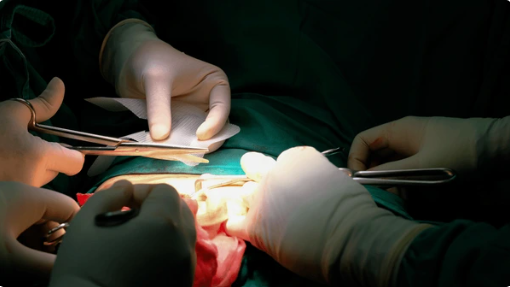
After abdominal surgery, the abdominal wall goes through a natural healing process. However, in some cases this healing is compromised, leaving behind a weak spot in the muscle or tissue. Over time, this weakness can allow abdominal contents — such as portions of the intestine or fatty tissue — to push through, creating a noticeable bulge known as an incisional hernia.
An incisional hernia can develop weeks, months, or even years after the original surgery. While not always immediately dangerous, the condition tends to worsen over time without proper incisional hernia treatment, causing increasing discomfort and limiting a patient’s ability to carry out everyday activities.
Causes of Incisional Hernias
Several factors can contribute to the development of an incisional hernia after abdominal surgery. Understanding these risk factors is an important first step in both prevention and seeking appropriate incisional hernia treatment in Dubai:
- Obesity: Excess body weight places significant pressure on the abdominal wall, increasing the risk of incision breakdown.
- Smoking: Nicotine impairs blood circulation and slows down the wound healing process, making the surgical site more vulnerable.
- Heavy Lifting: Returning to strenuous physical activity too soon after surgery can strain the healing incision and cause it to weaken.
- Chronic Coughing: Persistent coughing creates repeated pressure on the abdominal wall, which can compromise the integrity of a healing incision.
- Incomplete Healing: Certain underlying conditions such as diabetes, malnutrition, or immune disorders can interfere with normal wound healing and increase the risk of an incisional hernia forming.
Incisional Hernia Symptoms: What to Watch For
Recognizing incisional hernia symptoms early is critical to getting timely treatment and avoiding serious complications. The most common and visible symptom is a noticeable bulge or swelling near the site of a previous surgical incision. This bulge typically becomes more prominent when you stand, cough, sneeze, strain, or lift heavy objects, and may partially reduce when you lie down and relax.
In addition to the visible bulge, other incisional hernia symptoms can include:
- Nausea and vomiting, particularly if the hernia becomes trapped or strangulated.
- Feeling full or bloated after eating even small amounts of food.
- Pain or discomfort in the abdominal area, especially during physical activity.
- A burning or aching sensation around the hernia site.
- Difficulty with bowel movements, including constipation or diarrhea, if bowel tissue is involved.
If you notice any of these incisional hernia symptoms, it is important not to delay seeking a professional evaluation. Some hernias can become strangulated — where the blood supply to the trapped tissue is cut off — which is a medical emergency requiring immediate incisional hernia surgery.
Diagnosis of an Incisional Hernia
Accurately diagnosing an incisional hernia is the essential first step before determining the right course of incisional hernia treatment in Dubai. The diagnostic process with Dr. Nikolas Valsamidis typically involves:
- Thorough Clinical Examination: A detailed physical assessment by Dr. Nikolas to evaluate the size, location, and nature of the hernia.
- Abdominal Ultrasound Scan: A confirmatory ultrasound is used to visualize the hernia and understand the extent of the abdominal wall defect.
- CT Scan (if required): For larger, more complex, or recurrent incisional hernias, an abdominal CT scan may be necessary to provide a more detailed view and guide the surgical plan.
Expert Incisional Hernia Treatment in Dubai
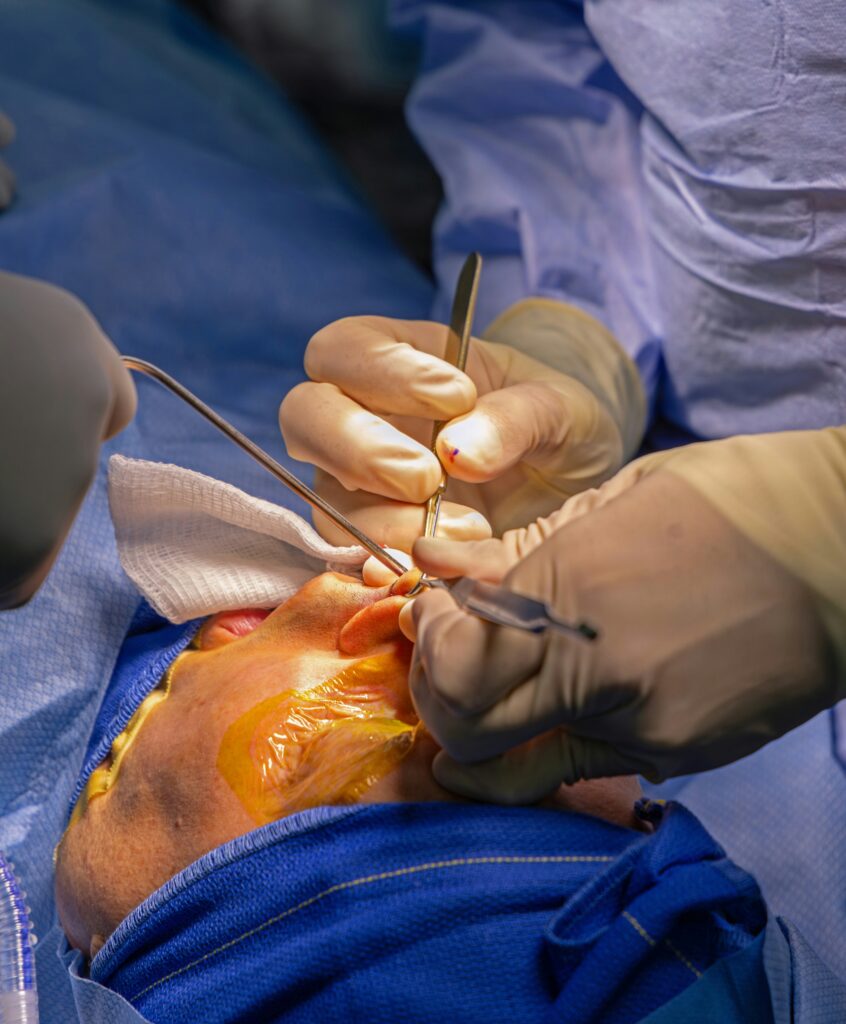
Dr. Nikolas Valsamidis is a highly skilled and experienced general surgeon offering comprehensive incisional hernia treatment in Dubai. He is dedicated to patient well-being and provides fully personalized treatment plans that account for the size and complexity of the hernia, the patient’s overall health, and their lifestyle and recovery goals. His approach encompasses both non-surgical and surgical options, ensuring every patient receives the most appropriate and effective care.
Non-Surgical Treatment Options
For patients presenting with mild incisional hernia symptoms or a small hernia that is not causing significant disruption, non-surgical management may be considered as an initial approach. These options include lifestyle modifications such as adjustments to diet and exercise to reduce strain on the abdominal wall, medications to manage pain and inflammation, and hernia trusses — specially designed supportive garments that help contain the hernia and provide relief. It is important to understand, however, that non-surgical treatments are generally temporary measures. They do not repair the underlying defect in the abdominal wall. In most cases, incisional hernia surgery is ultimately necessary to achieve a permanent and lasting solution.
Surgical Treatment for Incisional Hernias
When incisional hernia surgery is required, Dr. Nikolas Valsamidis offers a range of advanced surgical techniques tailored to each patient’s specific condition.
Laparoscopic Incisional Hernia Repair
This minimally invasive technique is the preferred approach for many patients undergoing incisional hernia surgery. Using small incisions and a laparoscope — a thin camera — Dr. Nikolas can repair the hernia with precision while minimizing trauma to surrounding tissue. The key advantages of laparoscopic incisional hernia surgery include significantly reduced postoperative pain, a shorter hospital stay, a faster return to normal activities, and minimal scarring compared to traditional open surgery.
Open Incisional Hernia Surgery
For larger, more complex, or recurrent incisional hernias, open incisional hernia surgery may be the most appropriate approach. This method provides the surgeon with direct access to the hernia site and is frequently combined with mesh reinforcement to strengthen the abdominal wall and significantly reduce the risk of the hernia returning.
Mesh Repair for Incisional Hernia
Surgical mesh is used in the majority of incisional hernia surgery cases to reinforce the weakened abdominal wall and provide additional structural support. Mesh repair is particularly beneficial for large incisional hernias, as it dramatically lowers the rate of recurrence compared to a simple tissue repair without mesh.
Advanced Techniques for Complex Incisional Hernia Cases
For patients presenting with recurrent or particularly complicated incisional hernias, Dr. Nikolas Valsamidis employs specialized surgical techniques that go beyond standard repair methods. The Component Separation Technique is used to reconstruct the abdominal wall in challenging cases where the defect is too large for conventional closure, allowing the abdominal muscles to be mobilized and brought together in a natural and durable manner. Additionally, Robotic Surgery is available for intricate incisional hernia repairs, offering unparalleled precision, enhanced visualization, and greater control — resulting in outcomes that are superior to conventional laparoscopic approaches for select complex cases.
Preventing Incisional Hernias After Surgery
While not all incisional hernias can be prevented, there are several important steps you can take to reduce your risk of developing one following abdominal surgery:
- Follow your surgeon’s post-operative instructions carefully, particularly regarding activity restrictions and lifting limitations.
- Maintain a healthy body weight to reduce ongoing pressure on the abdominal wall.
- Quit smoking, as nicotine directly impairs wound healing and increases the risk of incision breakdown.
- Manage any chronic conditions such as persistent cough, constipation, or diabetes that place repeated strain on the abdomen.
- Return to exercise gradually and only as advised by your surgeon, avoiding any strenuous activity until fully cleared.
Living with an Incisional Hernia
In the majority of cases, incisional hernias can be successfully and permanently repaired through incisional hernia surgery. However, it is important to remain aware that there is always some possibility of recurrence, particularly if the underlying risk factors are not addressed. Maintaining a healthy lifestyle, managing your weight, avoiding smoking, and attending all follow-up appointments with Dr. Nikolas Valsamidis are all essential steps in minimizing this risk and ensuring a strong, lasting recovery after incisional hernia treatment in Dubai.
Why Choose Dr. Nikolas Valsamidis for Incisional Hernia Treatment in Dubai?
Dr. Nikolas Valsamidis is one of Dubai’s most trusted and experienced general surgeons, with an extensive track record in the successful management of all types of hernias — including incisional hernias, inguinal hernias, sports hernias, groin hernias, and complex abdominal wall hernias. His expertise spans the full spectrum of incisional hernia treatment in Dubai, from conservative non-surgical management through to advanced laparoscopic, open, robotic, and component separation surgical techniques.
What sets Dr. Nikolas apart is his unwavering commitment to patient welfare. Every treatment plan is tailored to the individual, taking into account not only the clinical presentation of the incisional hernia but also the patient’s personal health goals and lifestyle. His high success rate, combined with his warm and communicative approach, ensures that patients feel fully supported and confident throughout their entire treatment journey.
If you are experiencing incisional hernia symptoms or are seeking expert incisional hernia treatment in Dubai, do not wait for the condition to worsen. Contact Dr. Nikolas Valsamidis today to book your consultation and take the first step towards a full and lasting recovery.
Consult
Contact Dr. Nikolas Valsamidis for Incisional Hernia Treatment in Dubai
If you’re experiencing symptoms of an incisional hernia or are seeking Incisional Hernia Treatment in Dubai, Dr. Nikolas is here to help. Dr. Nikolas Valsamidis has extensive experience treating various types of hernias, including sports hernias, groin hernia treatment, abdominal wall hernia treatment, inguinal hernia treatment, and has a high success rate. Dr. Nikolas Valsamidis prioritizes patient welfare and offers cutting-edge surgical solutions, ensuring the highest level of care you can rely on. Book an appointment now.

FAQs-
An incisional hernia occurs when abdominal tissue or intestines push through a weak spot in the abdominal wall at the site of a previous surgical incision.
Incisional hernias usually develop after abdominal surgery due to:
Weak healing at the incision site
Obesity or significant weight gain
Chronic coughing or constipation
Heavy lifting or strenuous activity too soon after surgery
- A visible bulge at or near a surgical scar
- Pain or discomfort around the scar, especially when coughing or lifting
- A feeling of heaviness or pressure in the abdomen
- In severe cases, nausea, vomiting, or bowel obstruction
Dr. Nikolas performs a thorough physical exam and may recommend imaging tests such as ultrasound or CT scan to confirm the hernia and assess its severity.
- Non-surgical approach: Small, symptom-free hernias may be monitored.
Surgical repair: Large or painful hernias require surgery, often using laparoscopic or robotic techniques with mesh reinforcement to strengthen the abdominal wall.
- Relief from pain and discomfort
- Restoration of abdominal strength and stability
- Prevention of complications like bowel obstruction or strangulation
- Lower recurrence rates with advanced mesh repair
- Faster recovery with minimally invasive techniques
- Minimally invasive surgery: Patients usually return to light activities within 1–2 weeks and resume normal routines in 4–6 weeks.
- Open surgery: May require a longer recovery depending on the hernia’s size and complexity.
The incisional hernia surgery cost in Dubai depends on:
- The size and location of the hernia
- Type of surgical approach (open, laparoscopic, robotic)
- Hospital and anesthesia charges
A personalized cost estimate is provided after consultation.
- Expert in complex hernia repairs including recurrent and incisional hernias
Skilled in laparoscopic and robotic hernia surgery for faster recovery
Patient-focused approach with high success rates
Comprehensive post-surgery care and follow-up