
Inguinal Hernia surgery in Dubai
Inguinal Hernia Repair Facts!
- Inguinal Hernia: A common condition characterized by the protrusion of abdominal contents through a weakened area in the inguinal canal.
- Surgical Techniques: Repair can be performed using open surgery or minimally invasive techniques like laparoscopy, each with its own benefits and considerations.
- Success Rates: Inguinal Hernia Surgery in Dubai generally has high success rates with a low risk of recurrence when performed by an experienced surgeon.
- Postoperative Recovery: Most patients experience relatively quick recovery times after inguinal hernia repair, often returning to light activities within a few days.
If you are looking for Inguinal Hernia treatment in Dubai, our laparoscopic expert Dr. Nikolas Valsamidis, can be your ideal choice.
What is Inguinal Hernia?
Inguinal hernia is the most common type of hernia and often appears as a swelling or lump in the groin, or sometimes as an enlarged scrotum (the pouch containing the testicles). The swelling may be painful or uncomfortable. When symptoms persist, Inguinal Hernia surgery in Dubai may be recommended to prevent complications and relieve discomfort.
The lump usually becomes more noticeable when lifting heavy objects, coughing, or standing, and often reduces or disappears when lying down. Seeking timely medical advice for Inguinal Hernia surgery in Dubai can help ensure safe and effective treatment.
Inguinal Hernia Symptoms
- Visible Bulge: A noticeable lump or swelling in the groin area is one of the most typical symptoms of an inguinal hernia.
- Discomfort or Pain: Pain or aching sensations in the groin, especially during activities like lifting or bending over.
- Pressure or Heaviness: A feeling of pressure or heaviness in the lower abdomen or groin.
- Burning or Gurgling Sensations: Some individuals may experience burning or gurgling sensations around the bulging area.
- Increased discomfort with straining: Symptoms often worsen during activities that raise abdominal pressure, such as coughing, sneezing, or straining during bowel movements.
- Swelling: Swelling or enlargement of the scrotum in males with inguinal hernias. Discomfort while standing or sitting: Pain or discomfort may intensify after prolonged periods of standing or sitting.
- Inability to push the bulge back in: While some individuals can push the bulge back temporarily, it often returns.
Direct vs Indirect Inguinal Hernia
Direct Inguinal Hernia
Location: Typically occurs in the area of Hesselbach’s triangle, a region in the lower abdomen.
Cause: Often associated with weakening of the abdominal muscles and connective tissue due to aging or gradual wear and tear.
Path of Protrusion: Bulges directly through the abdominal wall, pushing into the inguinal canal.
Indirect Inguinal Hernia:
Location: Originates at the deep inguinal ring, near the upper part of the inguinal canal.
Cause: Usually a congenital condition resulting from a failure of the embryonic closure of the inguinal canal.
Path of Protrusion: Enters the inguinal canal and may extend down into the scrotum in males or labia in females.
Both types of inguinal hernias present with similar symptoms, such as a noticeable bulge and discomfort.
Inguinal Hernia Treatment
Surgical Intervention
Inguinal hernias can be repaired surgically by pushing the bulge back into place and strengthening the abdominal wall weakness.
Surgery can resolve the following Inguinal Hernia complications:
- Obstruction – This occurs when a section of the bowel becomes trapped in the inguinal canal, resulting in nausea, vomiting, and stomach pain, as well as a painful lump in the groin.
- Strangulation – This is a condition in which a section of the bowel becomes trapped and its blood supply becomes limited or cut off. This necessitates emergency surgery within hours to free the trapped tissue and reinstate its blood supply so that it does not die.
Inguinal Hernia Surgery Procedure
An inguinal hernia repair in Dubai can be done in two ways:
Open surgery – It entails making a single incision to allow the surgeon to push the lump back into the abdomen.
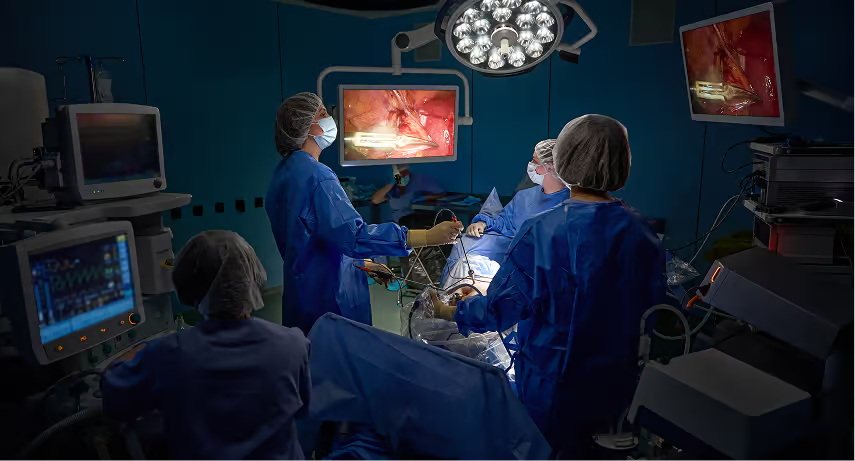
Laparoscopic (keyhole) Surgery – This is a less invasive but more complex technique in which several smaller cuts are made, allowing the surgeon to repair the hernia with various special instruments.
Both methods have advantages and disadvantages. The type of surgery you have is determined by which method is best for you and the experience of our surgeon.
Post-surgery and Recovery
You should be able to leave the hospital the same day or the next day. It is critical to follow the hospital’s instructions on how to care for yourself. This includes eating a healthy diet to keep away from constipation, caring for the wound, and not overworking yourself.
Most people recover completely from inguinal hernia repair within 6 weeks, though many can resume driving, work, and light activities within 2 weeks.
Consult
Consult Dr. Nikolas Valsamidis for Inguinal Hernia Repair in Dubai
If you are suffering from an Inguinal Hernia and seeking effective treatment in Dubai, look no further than Dr. Nikolas Valsamidis. With his expertise and experience in the field of laparoscopic surgery, he offers personalized treatment options for each patient to ensure the best possible outcomes.
Don’t let an inguinal hernia limit your daily activities and quality of life – book a consultation with Dr. Valsamidis today and take the first step towards a healthier tomorrow.

FAQs-
An inguinal hernia occurs when a part of the intestine or fatty tissue protrudes through a weak spot in the lower abdominal wall, usually in the groin area. It often appears as a bulge that may cause pain or discomfort, especially when coughing, bending, or lifting heavy objects.
Inguinal hernia repair is a surgical procedure that returns the protruding tissue to its proper place and strengthens the abdominal wall using sutures or mesh. Dr. Nikolas offers both open inguinal hernia repair and minimally invasive laparoscopic or robotic-assisted repair depending on the patient’s condition.
- A bulge in the groin or scrotum
Pain or discomfort when bending, lifting, or coughing
A heavy or dragging sensation in the groin
Swelling or burning in the affected area
In severe cases, nausea and vomiting if the hernia becomes trapped (strangulated)
Dr. Nikolas offers:
Open repair – A traditional method where an incision is made in the groin to repair the hernia.
Laparoscopic repair – A minimally invasive technique with small incisions and faster recovery.
Robotic-assisted repair – Provides enhanced precision, less pain, and minimal scarring for complex hernias.
- Relief from pain and discomfort
Prevents serious complications like strangulation
Restores strength to the abdominal wall
Faster return to normal activities with minimally invasive options
Long-term improvement in quality of life
The surgery usually takes 45 minutes to 1.5 hours, depending on the technique used and whether one or both sides are repaired.
- Most patients return home the same day or within 24 hours
Light activities can resume within 1–2 weeks
Full recovery and return to strenuous activity usually take 4–6 weeks
The surgical method (open, laparoscopic, or robotic)
Type of hernia (single or bilateral)
Hospital and anesthesia fees
A personalized cost estimate is given during consultation with Dr. Nikolas.
- Specialist in minimally invasive and robotic hernia repair techniques
- High success rates with minimal complications
- Personalized treatment plans tailored to patient needs
- Comprehensive post-operative care for smooth recovery