What Is Vertical Sleeve Gastrectomy? A Complete Beginner’s Guide

Obesity continues to rise globally, and many individuals struggle to achieve sustainable weight loss through diet and exercise alone. In such cases, bariatric surgery—particularly vertical sleeve gastrectomy (VSG)—has emerged as a clinically proven solution for long-term weight management, metabolic improvement, and enhanced quality of life.
This guide explains what vertical sleeve gastrectomy is, how gastric sleeve surgery works, recovery expectations, benefits, risks, and long-term lifestyle changes, helping patients make an informed decision.
What Is Vertical Sleeve Gastrectomy?
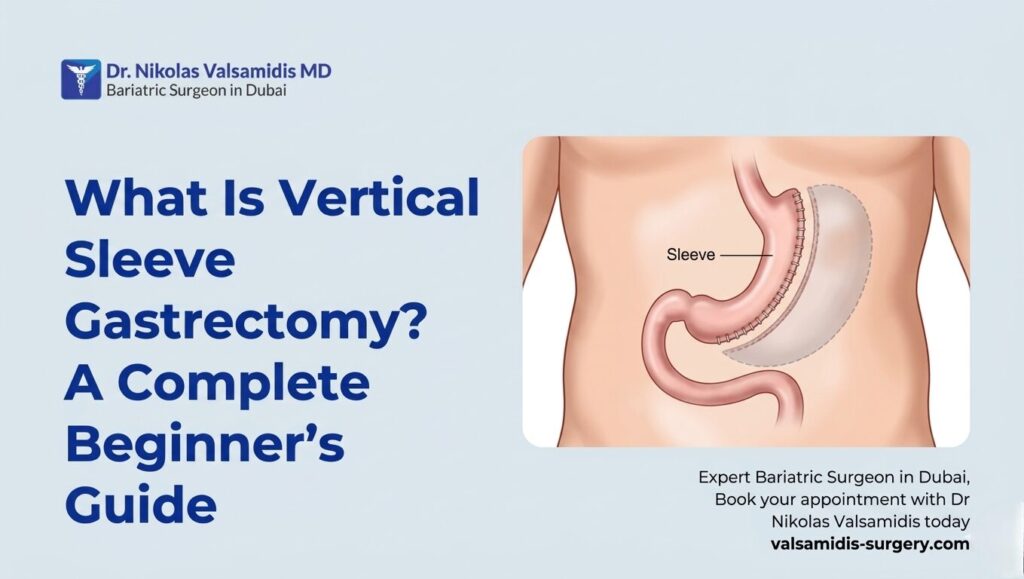
Vertical Sleeve Gastrectomy, also known as gastric sleeve surgery, is a restrictive bariatric procedure in which approximately 75–80% of the stomach is surgically removed. The remaining stomach is reshaped into a narrow, tube-like structure resembling a sleeve.
Unlike gastric bypass surgery, VSG does not involve rerouting or cutting the intestines. This preserves normal digestion while significantly reducing food intake and appetite.
How VSG Promotes Weight Loss
Vertical sleeve gastrectomy works through two key mechanisms:
Restriction: A smaller stomach capacity leads to early satiety, helping patients consume fewer calories.
Hormonal Regulation: Removal of the stomach fundus reduces ghrelin, the hunger hormone, which decreases appetite and food cravings.
Due to these combined anatomical and hormonal effects, VSG is often classified as metabolic surgery, not merely a weight-loss procedure.
How Does Vertical Sleeve Gastrectomy Surgery Work?
VSG is typically performed using laparoscopic (minimally invasive) surgery, which involves small incisions and specialized instruments.
Surgical Steps
Multiple small incisions are made in the abdomen.
A laparoscopic camera is inserted for visualization.
The greater curvature and fundus of the stomach are removed using surgical staples.
The remaining stomach is shaped into a long, narrow sleeve.
Incisions are closed with minimal scarring.
Average surgery duration: 60–90 minutes
Hospital stay: 1–2 nights
Scarring: Small laparoscopic scars that fade over time
Because intestinal rerouting is avoided, vertical sleeve gastrectomy carries a lower risk of nutritional complications compared to more complex bariatric procedures.
Diet and Lifestyle After Vertical Sleeve Gastrectomy
Post-surgery recovery requires a gradual dietary progression to allow proper healing and long-term success.
Postoperative Diet Stages
- Clear liquids (initial days)
- Full liquids (protein shakes, yogurt)
- Pureed foods
- Soft foods
- Regular solid foods (after 4–6 weeks)
Long‑Term Lifestyle Guidelines
- Eat small, frequent meals.
- Prioritize protein intake.
- Chew food thoroughly.
- Stay well hydrated.
- Take prescribed multivitamins. (vitamin B12, iron, calcium, vitamin D)


Recovery Timeline After VSG Surgery
- Weeks 1–2: Liquids and pureed foods; mild discomfort managed with medication.
- Weeks 3–6: Soft foods are introduced; light physical activity begins.
- Week 6 onward: Gradual return to normal diet and structured exercise.
- 3–6 months: Full internal healing; improved energy levels.
Most patients experience 50–70% excess weight loss within 12–18 months, along with improvement in diabetes, hypertension, sleep apnea, and overall metabolic health.
Advantages and Disadvantages of Vertical Sleeve Gastrectomy
Benefits
- Proven long-term weight loss.
- Reduced appetite due to lower ghrelin levels.
- Minimally invasive with smaller scars.
- Lower complication rates compared to gastric bypass.
- Improvement or remission of obesity-related conditions.
Considerations
- The procedure is irreversible.
- Acid reflux may develop or worsen in some patients.
- Lifelong vitamin supplementation is required.
- As with any surgery, there are inherent risks.
Cost of Vertical Sleeve Gastrectomy
The cost of vertical sleeve gastrectomy varies depending on multiple factors, including the surgeon’s expertise, hospital infrastructure, geographic location, and individual medical requirements. A personalized consultation is essential to determine overall treatment planning.
Why Choose Dr. Nikolas Valsamidis for Vertical Sleeve Gastrectomy?
Choosing the right bariatric surgeon is as critical as choosing the right procedure. Dr. Nikolas Valsamidis offers a comprehensive, patient‑centric approach to vertical sleeve gastrectomy, combining advanced surgical techniques with long‑term nutritional and lifestyle guidance.
With a strong focus on safety, evidence‑based outcomes, and individualized care, DrX supports patients at every stage—from evaluation and surgery to recovery and sustained weight management. If you are considering gastric sleeve surgery, consulting an experienced bariatric specialist can significantly influence your long‑term success.
To learn more about vertical sleeve gastrectomy, eligibility, and post‑surgery support, explore the relevant sections on the client’s website or schedule a consultation with Dr. Nikolas Valsamidis
FAQs
Most patients lose 50–70% of excess body weight within 12–18 months.
Yes, vertical sleeve gastrectomy is irreversible.
Hunger is significantly reduced due to lower ghrelin hormone levels.
Typically 1–2 nights.
Desk jobs: 1–2 weeks; physically demanding work: 3–4 weeks.
Yes, lifelong vitamin and mineral supplementation is necessary.
Light walking immediately; full exercise after 4–6 weeks.
Only small laparoscopic scars, which usually fade over time.
Yes, significant improvement or remission is commonly observed.
Weight regain is uncommon when dietary guidelines and follow‑ups are maintained.

The Invisible Deficiency: Why Autoimmune Gastritis is Often Mistaken for Simple Fatigue
We all have days when we feel drained, low energy, heavy limbs, and a foggy mind. It’s easy to blame

The “Heart Attack” Mimic: When Chest Pain is Actually a Hiatal Hernia
Chest pain is one of the most alarming symptoms a person can experience. For many, the first thought is a

Beyond PPIs: The Cost-Effectiveness of Fundoplication Surgery in 2026
Beyond PPIs: The Cost-Effectiveness of Fundoplication Surgery in 2026 However, for millions of people suffering from chronic acid reflux, medications

Nissen vs. Toupet: Choosing the Right Fundoplication Surgery for Your Digestive Health
Nissen vs. Toupet: Choosing the Right Fundoplication Surgery for Your Digestive Health Living with chronic acid reflux can be exhausting.