What is Stomach Acid?
Symptoms, Causes, and Treatment Explained

What is Stomach Acid

Stomach acid is one of the most vital yet often misunderstood components of our digestive system. Many people only think about it when they experience discomfort such as heartburn, acid reflux, or indigestion.

However, stomach acid plays a much bigger role; it is essential for breaking down food, absorbing nutrients, and protecting us from harmful bacteria. At the same time, when its production goes out of balance, either too much or too little, it can lead to a variety of health concerns.

In this blog, we’ll explain what stomach acid is, its functions, the symptoms linked to imbalances, what causes overproduction, and how it can be managed effectively.

What is Stomach Acid?

Stomach acid, scientifically known as hydrochloric acid (HCl), is a strong acid secreted by the lining of the stomach. Its main role is to aid digestion by breaking down proteins and activating enzymes. Without sufficient acid in the stomach processes, digestion would be incomplete, and nutrients like vitamin B12, iron, and calcium would not be absorbed efficiently.

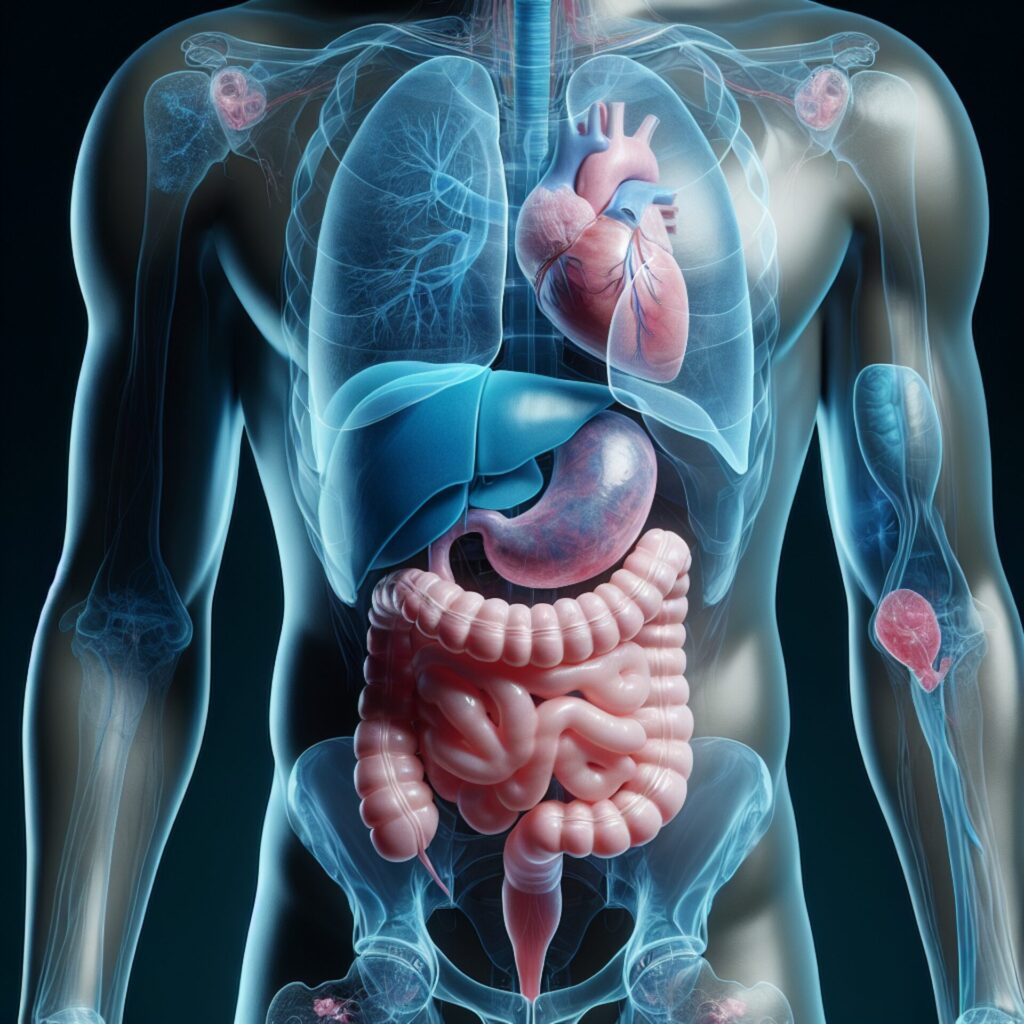
The stomach is lined with specialized cells called parietal cells, which produce hydrochloric acid as part of gastric juice. This acidic environment keeps the stomach’s pH very low (between 1.5 to 3.5), making it one of the most acidic areas in the body.

Hydrochloric acid (HCl) is part of a larger mixture known as gastric juice.

Gastric juice contains:

  • Hydrochloric acid – the primary acid in stomach processes, helping break down food and kill harmful microorganisms.
  • Pepsinogen – an inactive enzyme that is converted into pepsin in the presence of acid, enabling protein digestion.

Mucus – which protects the stomach lining from being damaged by the acid itself.
1What is Stomach Acid

What is stomach acid production?

Stomach acid production is a finely regulated process. It begins when food enters the stomach or even when we anticipate eating (the “cephalic phase” of digestion).

Here’s how it works:

  1. Nervous system signals trigger the stomach lining to prepare for digestion.
  2. Gastrin hormone release stimulates parietal cells to secrete hydrochloric acid.
  3. Acid mixes with food, breaking down proteins and preparing nutrients for absorption in the small intestine.

When functioning normally, this system ensures efficient digestion. But excessive or insufficient acid production can lead to digestive disorders.

What is the role of acid in our stomach?

While too much acid can cause discomfort, it’s important to remember that stomach acid is not an enemy; it’s a crucial ally in digestion and immunity.

Its key roles include:

  • Breaking down food into absorbable nutrients.
  • Activating digestive enzymes.
  • Defending against harmful microorganisms.
  • Supporting healthy gut flora by maintaining the right acidic balance.

Without stomach acid, the digestive system would not work efficiently, leaving the body vulnerable to infections and nutritional deficiencies.

What does Hydrochloric Acid do in the stomach?

Hydrochloric acid is the main player in gastric juice and has several critical roles:

  • Protein digestion – It unfolds proteins, making them easier for enzymes like pepsin to break down.
  • Nutrient absorption – Helps absorb vitamins (like B12) and minerals (like iron, magnesium, and calcium).
  • Defense mechanism – Kills bacteria, viruses, and other pathogens that enter with food.
  • Enzyme activation – Converts pepsinogen into pepsin, the enzyme that digests proteins.

Without hydrochloric acid, the digestive process would be incomplete and less protective.

What are stomach acid symptoms?

When stomach acid levels are unbalanced, the body gives signals. Stomach acid symptoms can vary depending on whether you have too much or too little acid.

Common symptoms of excess stomach acid include:

  • Burning sensation in the chest (heartburn).
  • Sour taste in the mouth or throat.
  • Bloating or excessive burping.
  • Nausea or vomiting.
  • Acid reflux stomach pain that worsens after meals.

Symptoms of low stomach acid may include:

  • Feeling overly full after small meals.
  • Nutrient deficiencies (especially B12 and iron).
  • Indigestion or undigested food in stools.
  • Gas, bloating, or constipation.

High Stomach Acid Symptoms

Excessive acid in stomach lining can cause discomfort and even lead to conditions such as gastritis or peptic ulcers.

Some of the telltale high stomach acid symptoms include:

  • Sharp or burning abdominal pain.
  • Heartburn that worsens when lying down.
  • Difficulty swallowing due to irritation in the esophagus.
  • Persistent cough or hoarseness.
  • Black or tarry stools (a sign of internal bleeding, requiring medical attention).

Stomach Acid Reflux: When acid travels up?

One of the most common stomach acid-related conditions is acid reflux. This happens due to stomach acid flowing back into the esophagus, the tube interlinking the mouth to the stomach. Usually, a muscle called the lower esophageal sphincter (LES) prevents this backflow. When it weakens or relaxes inappropriately, reflux happens.

Acid reflux symptoms may include:

  • Burning sensation in the chest (commonly called heartburn).
  • Regurgitation of food or sour liquid.
  • Acid reflux stomach pain that radiates upward.
  • Difficulty swallowing or a lump-in-throat sensation.

If acid reflux happens frequently (more than twice a week), it may indicate gastroesophageal reflux disease (GERD), which requires medical management.

What causes overproduction of acid in the stomach?

Several factors can contribute to excessive acid in stomach production, such as:

  1. Dietary habits – Spicy foods, citrus, caffeine, alcohol, and fried foods can increase acid levels.
  2. Stress – Chronic stress stimulates acid production through nervous system responses.
  3. MedicationsNonsteroidal anti-inflammatory drugs (NSAIDs) and steroids can irritate the stomach lining, resulting into increased acid issues.
  4. Medical conditions – Zollinger-Ellison syndrome and certain bacterial infections (like Helicobacter pylori) can cause excess acid.

Lifestyle choices – Smoking, irregular eating patterns, and overeating.

How to Reduce Stomach Acid: Practical Tips

If you struggle with excess stomach acid symptoms, lifestyle adjustments and medical treatments can help.

Here are effective ways to manage acid in stomach issues:

Lifestyle and diet modifications:
  • Eat smaller meals instead of heavy portions.
  • Avoid trigger foods like caffeine, alcohol, spicy dishes, and fatty meals.
  • Don’t lie down right after eating; wait for at least 2–3 hours.
  • Maintain a healthy weight, since excess belly fat increases pressure on the stomach.
  • Elevate your head during sleep to prevent nighttime reflux.
Medical treatment:
  • Antacids – Provide quick relief by neutralizing acid.
  • H2 receptor blockers – Reduce acid production (e.g., ranitidine, famotidine).
  • Proton pump inhibitors (PPIs) – Stronger acid-suppressing drugs used for GERD or ulcers (e.g., omeprazole).

Antibiotics – If H. pylori infection is the root cause.

Struggling With Stomach Acid Issues?

Consult the Expert in the Field – Dr. Nikolas Valsamidis

Stomach acid, or hydrochloric acid, is a small but powerful component of the digestive system. It ensures proper breakdown of food, absorption of essential nutrients, and protection against harmful invaders. However, when acid levels become imbalanced, it can lead to troubling stomach acid symptoms such as heartburn, reflux, bloating, or abdominal pain.

Understanding what causes overproduction of acid in the stomach and recognizing symptoms early can help prevent long-term complications like GERD or ulcers. Thankfully, with lifestyle changes, dietary awareness, and medical treatments, managing acid in stomach issues is very achievable.

If you regularly experience high stomach acid symptoms or persistent acid reflux stomach pain, it’s important to consult a healthcare professional. They can provide tailored guidance, ensuring your digestive health stays strong and balanced.

Schedule a consultation today.

FAQs

Stomach acid is called hydrochloric acid (HCl), and it is the main component of gastric juice.

Heartburn, bloating, burping, nausea, and acid reflux are typical stomach acid symptoms.

It helps break down proteins, activates digestive enzymes, and kills harmful bacteria.

Eating smaller meals, avoiding spicy foods, managing stress, and not lying down after eating can help.

It’s when stomach acid flows back into the esophagus, causing heartburn and discomfort.

Yes, it may lead to indigestion, nutrient deficiencies, and poor absorption of vitamins and minerals.

Leave a Reply

Your email address will not be published. Required fields are marked *

Book An Appointment