
10 Common Low Stomach Acid Symptoms You Shouldn’t Ignore
10 Common Low Stomach Acid Symptoms You Shouldn’t Ignore
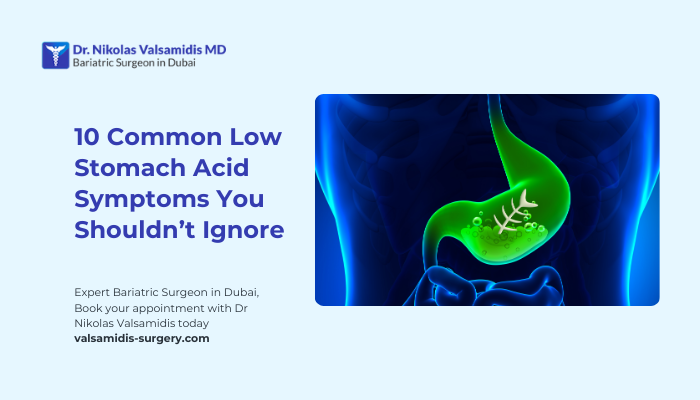
Did you know that nearly 60% of adults experience digestive discomfort at some point, yet many of these symptoms may be linked to low rather than high stomach acid? As per the scientific literature, a decline in stomach acid production, medically known as hypochlorhydria, becomes increasingly common with age and is often overlooked as a cause of bloating, reflux, and nutrient deficiencies.
Most people associate digestive problems like heartburn or indigestion with “too much acid,” when the opposite, low stomach acid, may be to blame. Left untreated, hypochlorhydria can set off a chain reaction of poor digestion, impaired immunity, and long-term health risks.
This blog will uncover the 10 most common low stomach acid symptoms, explore the causes and differences between high and low stomach acid, and review how to effectively test and treat this condition.
What Is Hypochlorhydria?
Hypochlorhydria refers to an abnormally low level of stomach acid. Usually, gastric acid maintains a pH between 1.5 and 3.5, essential for activating enzymes like pepsin, eliminating harmful bacteria, and breaking down proteins into absorbable nutrients. The digestive process can become compromised when the acid levels fall below optimal.
This condition can happen at any age but is more prevalent among older adults, as stomach acid production naturally declines with age.
If left untreated, hypochlorhydria can contribute to a range of gastrointestinal problems, including gastroesophageal reflux disease (GERD), bacterial overgrowth, and impaired nutrient absorption.
Why Low Stomach Acid Matters
Stomach acid not just helps with digestion; it is the first line of defense against ingested pathogens. Without adequate acid:
- Food is left partially digested, causing bloating and discomfort.
- Pathogens like Helicobacter pylori or Candida may increase in numbers.
- Nutrients such as vitamin B12, iron, calcium, and magnesium cannot be absorbed effectively.
Therefore, recognizing, identifying, and treating low stomach acid symptoms is vital for timely treatment.
10 Common Low Stomach Acid Symptoms You Shouldn’t Ignore
1. Persistent Bloating and Excessive Gas
One of the earliest symptoms of low stomach acid is frequent bloating after meals. Because food is not fully broken down, it ferments in the gut, accumulating gas. This is often misattributed to high stomach acid, but in many cases, low stomach acid causes GERD-like reflux symptoms.
2. Indigestion and Heartburn
Ironically, low stomach acid causes GERD in several individuals. Food lingers longer in the gastrointestinal tract when stomach acid is insufficient, causing pressure buildup and backflow of stomach contents into the esophagus. It can mimic the classic “acid reflux,” but the main contributing factor is inadequate acid rather than excess.
3. Nutrient Deficiencies
Hypochlorhydria also hampers the absorption of key nutrients from the food consumed. Some fundamental nutritional deficiencies may occur.
- Vitamin B12 deficiency may cause fatigue, numbness, or cognitive decline.
- Iron deficiency often leads to anemia, weakness, and pallor.
- Calcium and magnesium deficiencies may contribute to brittle bones, muscle cramps, and cardiovascular risks.
If you’ve ever wondered “what are the symptoms of low stomach acid?”, chronic nutrient deficiency is a hallmark sign.
4. Undigested Food in Stools
Visible pieces of undigested food in stools suggest incomplete digestion. Usually, stomach acid should initiate the breakdown of protein and plant fiber. Poorly processed food enters the intestines without sufficient acid, leading to digestive discomfort, such as bloating, indigestion, and malabsorption.
5. Frequent Belching or Burping
Belching shortly after meals often indicates ineffective food breakdown and flatulence production. Frequent episodes of burping may indicate low stomach acid.
6. Recurrent Infections and Weak Immunity
Stomach acid is one of the body’s first lines of defense. It kills many of the bacteria and germs that enter with food. When acid levels are too low, this protection weakens.
People often notice food-related infections more easily or develop ongoing problems, such as bacterial overgrowth in the gut. Infections like Helicobacter pylori can also take hold more readily in this environment.
7. Hair Loss and Brittle Nails
Low stomach acid can also interfere with absorbing essential nutrients, including iron, zinc, and protein. Over time, this manifests physically.
Hair can become thin or shed more than usual, nails can easily split or break, and healing from even minor cuts can slow down.
8. Skin Problems: Acne, Eczema, or Dryness
The skin is closely linked to gut health. Compromised digestion and a lack of nutrient absorption can affect the skin’s ability to repair and protect itself.
Some people develop acne breakouts, others see eczema flare-ups, or simply find their skin dry and irritated.
These issues are often linked to imbalances in the gut that occur due to low stomach acid.
9. Constant Tiredness
One of the most overlooked effects of low stomach acid is a lack of energy. Without proper digestion, vitamins and minerals such as B12 and iron are not absorbed well, directly affecting energy production. Many people describe feeling worn out, struggling to concentrate, or experiencing “brain fog,” even when they are sleeping enough.
10. Heartburn
One of the most evident warning signs of low stomach acid is heartburn or reflux that just won’t settle, even after taking antacids. In many cases, the problem actually gets worse. When there isn’t enough acid to digest food properly, it stays in the stomach longer. This creates pressure that pushes food and stomach contents back into the esophagus.
Antacids may dull the discomfort for a short while, but because the root cause is too little acid, not too much, the symptoms keep returning.
Low Stomach Acid vs High Stomach Acid: Key Differences
Patients often confuse high vs low stomach acid symptoms. Both may cause similar symptoms, but they differ fundamentally:
Feature | Low Stomach Acid (Hypochlorhydria) | High Stomach Acid (Hyperchlorhydria) |
Heartburn | Due to food stagnation and reflux | Due to direct acid irritation |
Bloating | Very common | Less common |
Nutrient absorption | Impaired (B12, iron, calcium) | Usually intact |
Infections | Increased risk | Lower risk |
Response to antacids | Worsens symptoms | Relieves symptoms |
What Causes Low Stomach Acid?
There are several low stomach acid reasons, including:
- Aging: Natural decline in acid production after age 60.
- Overuse: Excessive use of antacids and proton pump inhibitors (PPIs).
- Infections: H. pylori can damage the stomach lining.
- Stress: Chronic stress alters digestive function.
- Autoimmune conditions: Such as atrophic gastritis.
- Poor diet: Low protein intake, nutrient deficiencies, or excessive processed food.
Identifying the root cause is essential before deciding how to treat low stomach acid.
How to Test for Low Stomach Acid
A low stomach acid test can be performed through:
- Heidelberg stomach acid test (gold standard, involves swallowing a capsule with a transmitter).
- Gastric pH monitoring.
- Blood tests for nutrient deficiencies (B12, iron, ferritin).
- At-home baking soda test (used as a preliminary test).
Consultation with an experienced gastroenterologist ensures an accurate diagnosis.
How to Treat Low Stomach Acid
Managing low stomach acid starts with finding the underlying cause. For some, it may be linked to age or stress, while in others it may follow years of acid-suppressing medication or an untreated infection.
Low stomach acid treatment focuses on restoring proper digestion, improving nutrient absorption, and addressing the underlying causes of hypochlorhydria.
Treatment usually combines changes to diet and lifestyle with medical care when needed.
Dietary Changes
How you eat can make as much of a difference as what you eat. Chewing food properly and avoiding large, rushed meals gives the stomach a better chance to work.
Adding adequate protein to meals naturally stimulates acid production, while decreasing the intake of processed foods, excess sugar, and alcohol reduces strain on the digestive system.
2. Lifestyle Habits
Stress has a direct effect on digestion. Practicing yoga, meditation, and regular walks can help calm the body and improve gut function. Quitting smoking and keeping caffeine in check are essential to supporting healthy stomach acid levels.
3. Medical Support
Under medical guidance, supplements such as betaine HCl can sometimes help, though they are unsuitable for everyone. Targeted antibiotics may be required if an infection like H. pylori is present.
Doctors recommend correcting nutrient deficiencies like iron, vitamin B12, calcium, or magnesium with supplements.
4. Complementary Approaches
Specific natural options, such as ginger, fennel, or diluted apple cider vinegar, are sometimes used to ease digestion, though the evidence is limited. These should always be discussed with a healthcare professional before use.
Why Choose Dr. Nikolas Valsamidis for Your Digestive Health?
Choosing the right specialist is crucial when diagnosing and treating complex gastrointestinal issues like hypochlorhydria.
Dr. Nikolas Valsamidis offers:
- Specialist expertise in gastrointestinal and upper digestive disorders – with advanced knowledge of GERD, reflux, and hypochlorhydria.
- Comprehensive and personalised care – treatment plans tailored to the individual, not just the symptoms.
- Modern diagnostic techniques – ensure accurate identification of digestive problems, including low vs high stomach acid conditions.
- Evidence-based treatment options – from medical therapies to lifestyle guidance, designed for safe and long-term results.
- Commitment to patient education – empowering patients to understand their condition and take control of their digestive health.
- Trusted reputation in surgical and non-surgical gastrointestinal care– delivering reliable outcomes for routine and complex cases for more than 25 years.
Recognizing and Treating Low Stomach Acid Early
Many people dismiss digestive discomfort as “just heartburn,” but low stomach acid symptoms can signal a deeper problem. Unlike high stomach acid symptoms, hypochlorhydria is frequently underdiagnosed yet has significant health consequences if ignored.
Understanding hypochlorhydria, recognizing the differences between low and high stomach acid, and knowing how to treat low stomach acid can help you take steps towards better digestive health.
If you experience persistent symptoms such as bloating, nutrient deficiencies, or reflux unresponsive to standard antacids, it is crucial to seek professional help.
Book a consultation with Dr. Nikolas Valsamidis for tailored treatment for digestive conditions.
Early recognition and care can help you regain comfort, energy, and long-term digestive health.
Your gut health is too important to ignore — take the first step toward lasting relief today.
FAQs
The most common signs include bloating, reflux, nutrient deficiencies, undigested food in stools, recurrent infections, hair loss, fatigue, and skin problems.
Both cause reflux, but low stomach acid symptoms often involve nutrient deficiencies, frequent bloating, and worsening reflux with antacids. Testing is the only reliable way to differentiate.
Yes. Although GERD is typically linked to high acid, low stomach acid often causes GERD by delaying digestion and increasing intra-abdominal pressure.
It is the medical term for low stomach acid, where gastric acid secretion falls below normal, impairing digestion and absorption.
Eating smaller meals, chewing food well, reducing stress, and incorporating bitter foods (like arugula or ginger) may help. Supplements such as betaine HCl should only be taken under medical supervision.
Yes. Untreated hypochlorhydria may lead to long-term complications, including anemia, osteoporosis, small intestinal bacterial overgrowth (SIBO), chronic infections, and reduced immunity.


Hiatal hernia exercises to avoid: safe and unsafe practices
Quick answer: What exercises should I avoid with a hiatal hernia? Exercising with a hiatal hernia can be tricky. Certain

The hiatal hernia diet: what to eat and what to avoid
Do you know what should you eat if you have a hiatal hernia? For those living with a hiatal hernia,
The Invisible Deficiency: Why Autoimmune Gastritis is Often Mistaken for Simple Fatigue
We all have days when we feel drained, low energy, heavy limbs, and a foggy mind. It’s easy to blame

The “Heart Attack” Mimic: When Chest Pain is Actually a Hiatal Hernia
Chest pain is one of the most alarming symptoms a person can experience. For many, the first thought is a