nikolas 2The Invisible Deficiency Why Autoimmune Gastritis is Often Mistaken for Simple Fatigue

We all have days when we feel drained, low energy, heavy limbs, and a foggy mind. It’s easy to blame it on poor sleep, a busy schedule, or stress. But what if that constant fatigue isn’t just exhaustion? For many people, the real cause is something deeper and often overlooked: Autoimmune Gastritis.

This condition quietly affects the stomach and nutrient absorption, making it one of the most misunderstood health issues. Because the symptoms are subtle, Autoimmune Gastritis is frequently mistaken for everyday tiredness.

What Is Autoimmune Gastritis?

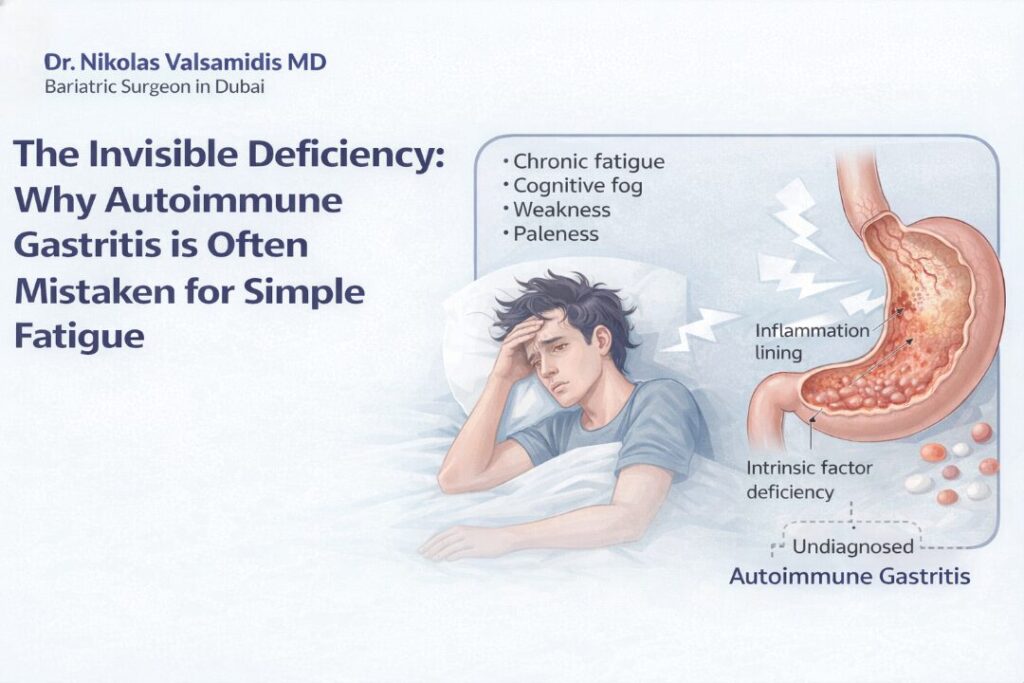
Autoimmune Gastritis is a condition where the body’s immune system mistakenly attacks the stomach lining. Over time, this damages the cells responsible for producing stomach acid and intrinsic factor, which is essential for vitamin B12 absorption.

Without enough B12, the body struggles to produce healthy red blood cells. This leads to fatigue, weakness, and neurological symptoms. Many people experiencing autoimmune gastritis symptoms don’t immediately connect them to a digestive issue.

Why It Feels Like Simple Fatigue

One of the reasons Autoimmune Gastritis goes unnoticed is because its symptoms develop slowly. You may feel tired for weeks or months before realizing something is wrong.

Common autoimmune gastritis symptoms include:

  • Persistent fatigue
  • Weakness or low stamina
  • Pale skin
  • Brain fog or difficulty concentrating
  • Tingling sensations in hands and feet

These autoimmune gastritis symptoms can easily be mistaken for stress or burnout. That’s why many people delay seeking help, assuming they just need more rest.

nikolas 22The Invisible Deficiency Why Autoimmune Gastritis is Often Mistaken for Simple Fatigue

Is Autoimmune Gastritis Dangerous?

A common question people ask is: Is autoimmune gastritis dangerous? The answer depends on how early it’s detected and managed.

In its early stages, it may seem mild. However, if left untreated, it can lead to serious complications like vitamin B12 deficiency, anemia, and even nerve damage. Over time, the risk of stomach-related issues can also increase.

So while you might wonder, is autoimmune gastritis dangerous, the real concern lies in ignoring the condition. Early diagnosis and proper care can significantly reduce long-term risks.

Understanding the Root Cause

Since Autoimmune Gastritis is an autoimmune condition, it doesn’t have a single clear cause. It often occurs alongside other autoimmune disorders like thyroid disease or type 1 diabetes.

Genetics, environmental factors, and immune system dysfunction all play a role. Recognizing these patterns can help doctors identify the condition early, especially when autoimmune gastritis symptoms appear alongside other health concerns.

The Role of Diet in Managing Symptoms

Diet plays a crucial role in managing Autoimmune Gastritis. Since the stomach lining is already sensitive, certain foods can worsen inflammation and discomfort.

That’s why understanding foods to avoid with autoimmune gastritis is essential. Spicy foods, processed items, alcohol, and caffeine are commonly listed among the foods to avoid with autoimmune gastritis.

By limiting these triggers, you can reduce irritation and support better digestion. Knowing the right foods to avoid with autoimmune gastritis can make a noticeable difference in how you feel daily.

Building an Autoimmune Gastritis Diet

Along with avoiding harmful foods, adopting a supportive autoimmune gastritis diet is key to recovery.

A balanced autoimmune gastritis diet typically includes:

  • Soft, easy-to-digest foods
  • Fresh fruits and vegetables
  • Lean proteins
  • Foods rich in vitamin B12 and iron

Following an autoimmune gastritis diet helps improve nutrient absorption and reduces stress on the stomach. It’s not about restriction, it’s about choosing foods that support healing.

Treatment Options

When it comes to autoimmune gastritis treatment, the goal is to manage symptoms and prevent complications.

The most common approach includes vitamin B12 supplementation, either through injections or oral supplements. This directly addresses the deficiency caused by the condition.

In addition, doctors may recommend medications to manage stomach acid levels and reduce inflammation. These strategies form the foundation of effective autoimmune gastritis treatment.

Lifestyle changes, including stress management and dietary adjustments, also play a major role in autoimmune gastritis treatment.

Why Early Diagnosis Matters

Because Autoimmune Gastritis is often mistaken for simple fatigue, many people live with it for years without proper diagnosis.

Recognizing the signs early, especially persistent fatigue combined with other autoimmune gastritis symptoms, can make a huge difference. The sooner you begin autoimmune gastritis treatment, the better your chances of preventing long-term complications.

Why choose Dr. Nikolas Valsamidis

Feeling tired all the time isn’t always just about a busy life. Sometimes, it’s your body signaling that something deeper needs attention. Autoimmune Gastritis is one such condition that hides behind everyday symptoms, making it easy to overlook.

By understanding autoimmune gastritis symptoms, learning about foods to avoid with autoimmune gastritis, and following a proper autoimmune gastritis diet, you can take control of your health.

If you’ve been wondering is autoimmune gastritis dangerous, remember that awareness and early action are your best defenses. With the right autoimmune gastritis treatment, it’s possible to manage the condition effectively and regain your energy.

Dr. Nikolas Valsamidis is an experienced general and laparoscopic surgeon, recognized for his skill in advanced hernia repair procedures. He believes in a patient-first approach, taking the time to understand each individual’s needs and designing treatment plans that prioritize both comfort and effective recovery.

FAQs

Autoimmune gastritis cannot usually be fully reversed because it involves the immune system attacking the stomach lining. However, it can be effectively managed. Treatment focuses on correcting deficiencies (especially vitamin B12), reducing inflammation, and monitoring for complications. Doctors may recommend lifelong management rather than a complete cure.

Autoimmune gastritis itself is an autoimmune condition, but it is often associated with other disorders like Hashimoto’s thyroiditis, Type 1 diabetes, and Addison’s disease. These conditions can coexist due to similar immune system dysfunction.

You should avoid foods that irritate the stomach lining or worsen acid reflux. These typically include spicy foods, fried items, alcohol, caffeine, and highly processed foods. Some people may also need to limit acidic foods like citrus and tomatoes depending on their symptoms.

 Yes, vitamin B12 supplementation is often essential. Autoimmune gastritis can reduce the stomach’s ability to absorb B12, leading to deficiency and conditions like pernicious anemia. Doctors may recommend oral supplements or injections depending on the severity.

Leave a Reply

Your email address will not be published. Required fields are marked *

Book An Appointment