
What is a Diaphragmatic Hernia? Causes, Symptoms, and Treatment

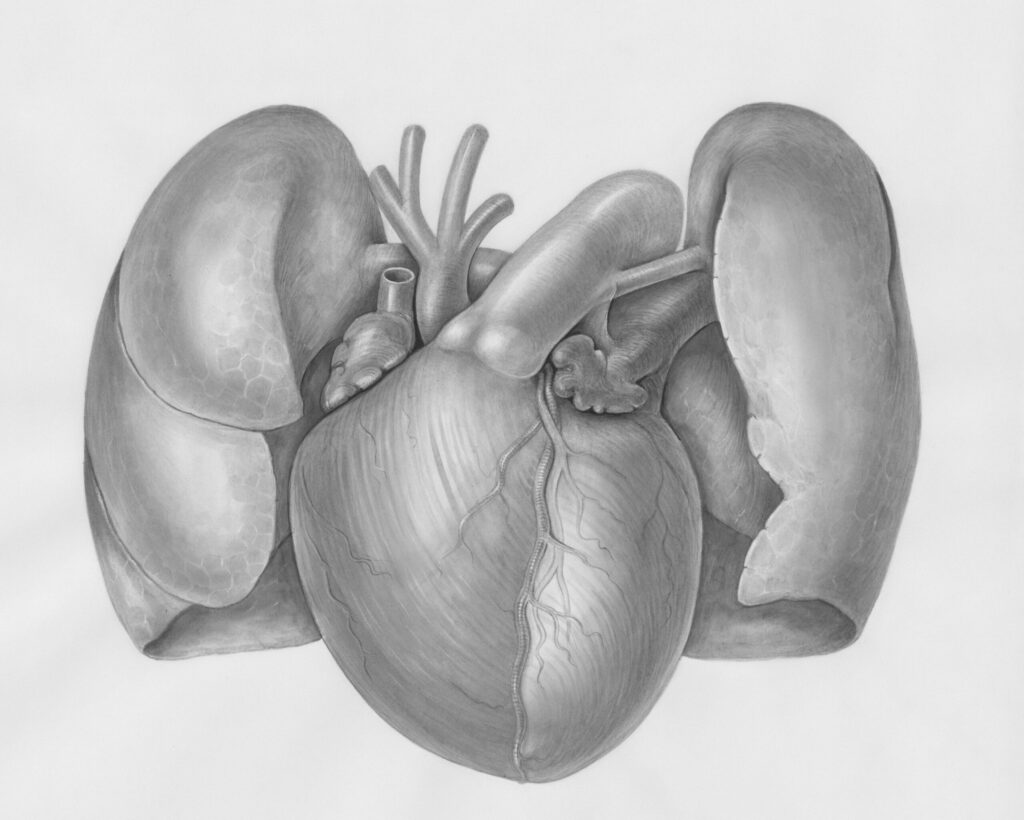
A diaphragmatic hernia is a medical condition in which an organ from the abdomen—such as the stomach, intestines, or liver—moves into the chest cavity through an abnormal opening in the diaphragm.
While this condition is often diagnosed in newborns as a congenital defect, diaphragmatic hernia in adults can also occur, typically as a result of trauma or increased pressure within the abdomen. This abnormal displacement can interfere with normal lung function and lead to various respiratory and gastrointestinal symptoms.
In this blog, we’ll explore the key causes, warning signs, and available treatment options for diaphragmatic hernia in both children and adults.
What is a Diaphragmatic Hernia?
A diaphragmatic hernia occurs when abdominal organs push into the chest area through an opening or weak spot in the diaphragm, the muscle that divides the chest from the abdomen.
There are two types of diaphragmatic hernia:
- Congenital Diaphragmatic Hernia (CDH): A birth defect where the diaphragm fails to form completely or isn’t strong enough, allowing abdominal organs to migrate into the chest.
- Acquired Diaphragmatic Hernia (ADH): Occurs later in life due to trauma, surgical complications, or other factors that weaken the diaphragm.
Depending on the severity and size of the hernia, this condition can compromise breathing, digestive function, and overall health.
What are the symptoms of a Diaphragmatic Hernia?
Diaphragmatic hernia symptoms depend on the type and size of the hernia. While larger hernias often cause noticeable discomfort or distress, smaller ones might go undetected for a long time.
Some common signs include:
- Shortness of breath or difficulty breathing
- Pain or discomfort in the chest or upper abdomen
- A visible bulge or swelling
- Digestive problems like nausea, vomiting, or bloating
- Acid reflux or heartburn
- Rapid heartbeat (tachycardia)
- Cyanosis or a blueish tint to the skin
- Respiratory distress shortly after birth (in CDH)
In many cases, a small diaphragmatic hernia may not initially cause noticeable symptoms, making routine evaluations even more important.
What are the causes of a Diaphragmatic Hernia?
Understanding the causes of diaphragmatic hernia helps in early prevention and timely intervention. Causes vary based on the type:
Congenital Diaphragmatic Hernia (CDH):
CDH is a birth defect that occurs when the diaphragm doesn’t form properly during fetal development.
This creates an opening through which abdominal organs—like the stomach, intestines, or liver—can slip into the chest cavity. As a result, the lungs don’t have enough space to grow, often leading to breathing difficulties after birth.
Acquired Diaphragmatic Hernia (ADH):
An ADH typically develops due to trauma. A sudden force, such as from a car crash, fall, or injury caused by a sharp object (e.g., a stab wound), can tear or weaken the diaphragm.
In some cases, the hernia can also result from complications after surgery involving the chest or abdomen.
What are the risk factors for a Diaphragmatic Hernia?
Several factors can increase the risk of developing a diaphragmatic hernia:
- A family history of hernias or birth defects
- Chronic coughing or straining
- Obesity or significant weight gain
- Nutritional deficiencies during pregnancy
- Previous surgeries involving the chest or abdominal cavity
- Accidents, falls, or other trauma impacting the chest or upper abdomen
What can happen if it's left untreated?
If not treated in time, a diaphragmatic hernia can cause serious problems:
- Respiratory distress: Abdominal organs pressing against the lungs can cause breathing difficulties, especially in newborns.
- Pulmonary hypoplasia: Underdevelopment or poorly functioning lungs due to limited space in the chest cavity.
- Gastrointestinal issues: Bowel obstruction or strangulation may occur when segments of the intestine are trapped in the chest.
- Cardiac complications: Displacement of the heart and reduced blood flow can impact cardiovascular function.
- Infections: There is a risk of infection, especially post-surgery or in cases of bowel perforation.
Failure to thrive: In infants, poor oxygenation and feeding difficulties can impair growth and development.
How is a Diaphragmatic Hernia diagnosed?
Early and accurate diagnosis is crucial, especially in cases of large diaphragmatic hernia, as timely intervention improves outcomes.
Common diagnostic tools include:
- Chest X-ray: Can show abdominal organs in the chest cavity.
- Ultrasound: Helpful both during pregnancy and after birth to check the diaphragm structure and organ position.
- CT Scan or MRI: Provides detailed images of the hernia, including organ involvement and diaphragm defects.
- Arterial Blood Gas (ABG) Test: Measures how well the lungs are delivering oxygen and removing carbon dioxide.
- Laparoscopy: A minimally invasive technique that provides direct visualization of the diaphragm and internal organs, often used for both diagnosing and repairing the hernia.
Prompt and accurate diagnosis enables personalized treatment planning.
How is a Diaphragmatic Hernia treated?
Treatment for both congenital and acquired diaphragmatic hernias usually involves surgical repair.
The primary goal is to reposition the abdominal organs into the abdominal cavity and repair the diaphragmatic defect.
Congenital Diaphragmatic Hernia (CDH):
For CDH, the first step is stabilizing the newborn and improving oxygen levels using ventilators and medications. These infants should be treated in a specialized Neonatal Intensive Care Unit (NICU).
Once the baby is stable—typically within 48 to 72 hours—surgery is performed to move the abdominal organs back into place and repair the diaphragm. However, the exact timing of surgery depends on the infant’s overall condition.
Acquired Diaphragmatic Hernia (ADH):
In ADH, stabilization is also the priority. Given that these hernias are often the result of trauma, other complications such as internal bleeding or organ damage may coexist.
Once the patient is stable, prompt surgery is required to return the organs to the abdominal cavity and repair the diaphragm.
Trust Dr. Nikolas Valsamidis for expert hernia care
With over 23 years of experience and more than 2,500 successful surgeries, Dr. Nikolas Valsamidis offers world-class expertise in the diagnosis and surgical treatment of diaphragmatic hernias. His patient-centric approach, advanced techniques, and commitment to excellence make him one of the most trusted surgeons for both adult and pediatric cases.
Need help with a diaphragmatic hernia? You’re in expert hands with Dr. Nikolas.
FAQs
It’s a birth defect where the diaphragm doesn’t form completely, allowing organs to move into the chest and crowd the lungs. This affects breathing after birth and requires surgery.
Can you live with a diaphragmatic hernia?
It depends on the type and severity of the hernia. While small diaphragmatic hernias in adults may not cause symptoms and can be monitored, larger or symptomatic hernias typically require surgery to prevent serious complications.
A diaphragmatic hernia occurs when an abnormal opening in the diaphragm permits abdominal organs to shift into the chest cavity. A hiatal hernia, a specific type of diaphragmatic hernia, happens when the upper stomach pushes through the diaphragm into the chest via the esophageal opening.
Yes, babies can survive CDH, especially with early diagnosis and specialized neonatal care. Survival rates have improved significantly with advanced treatments and neonatal intensive care units (NICUs), although outcomes depend on the severity and presence of other complications.
No, a diaphragmatic hernia typically does not resolve on its own. Whether congenital or acquired, surgical correction is often required to reposition the organs and repair the diaphragm.
Occasional heartburn isn’t usually a cause for concern. However, if it occurs more than twice a week, wakes you up at night, or comes with other symptoms such as difficulty swallowing or chest pain, you should consult a doctor
Yes, it can be life-threatening if left untreated. A large hernia can compress the lungs or heart, impair breathing, and cause gastrointestinal complications. Emergency surgery may be required in some cases.
For adults, recovery usually takes a few weeks. Infants may need more time in the hospital. Full healing, especially after complex cases, can take months.
Yes, recurrence is possible, especially in cases of trauma or increased abdominal pressure after surgery. However, recurrence rates are low with proper surgical techniques and follow-up care.
The most common types in adults include:
- Hiatal hernia (most common)
- Traumatic diaphragmatic hernia (due to injury or surgery)
- Iatrogenic hernia (resulting from a surgical procedure)
- Congenital causes: Abnormal diaphragm development during fetal growth.
- Acquired causes: Trauma (e.g., blunt force injury), surgical complications, or increased intra-abdominal pressure.
Treatment usually involves surgery to reposition the organs and repair the diaphragmatic defect. In congenital cases, infants may require stabilization before surgery. In adults, urgent surgery may be needed depending on the severity and associated injuries.

The Invisible Deficiency: Why Autoimmune Gastritis is Often Mistaken for Simple Fatigue
We all have days when we feel drained, low energy, heavy limbs, and a foggy mind. It’s easy to blame

The “Heart Attack” Mimic: When Chest Pain is Actually a Hiatal Hernia
Chest pain is one of the most alarming symptoms a person can experience. For many, the first thought is a
Beyond PPIs: The Cost-Effectiveness of Fundoplication Surgery in 2026
Beyond PPIs: The Cost-Effectiveness of Fundoplication Surgery in 2026 However, for millions of people suffering from chronic acid reflux, medications

Nissen vs. Toupet: Choosing the Right Fundoplication Surgery for Your Digestive Health
Nissen vs. Toupet: Choosing the Right Fundoplication Surgery for Your Digestive Health Living with chronic acid reflux can be exhausting.