1The hiatal hernia diet what to eat and what to avoid

Do you know what should you eat if you have a hiatal hernia?

For those living with a hiatal hernia, meals can feel like a challenge. Certain foods trigger discomfort while others can soothe symptoms. A hiatal hernia diet focuses on gentle, low-acid foods and small, frequent meals to reduce reflux.

 Dr. Nikolas Valsamidis recommendations often include finding relief through dietary adjustments. However, severe cases that do not respond to above recommendations may require minimally invasive surgery or laparoscopic repair for long-term comfort.

Understanding the hiatal hernia diet

A hiatal hernia happen when small part of the stomach pushes into diaphragm, causing acid reflux and heartburn. Diet plays an important role in reducing these symptoms. High-fiber, low-fat foods help reduce acid exposure, while avoiding spicy or fried meals prevents flare-ups. Dr. Nikolas tailors dietary guidance for pre- and post-surgery care, ensuring that patients can manage symptoms safely and effectively.

GERD without esophagitis: A silent threat

Interestingly, not all cases of GERD involve visible damage to the esophagus. 

Gastroesophageal Reflux Disease without esophagitis may still cause significant discomfort and long-term risks. Symptoms might be more subtle, such as a chronic cough, voice changes, or throat irritation, often misattributed to other conditions like allergies or asthma. 

This is why proper diagnosis and early intervention are crucial.

Foods that calm down a hiatal hernia

Gentle, non-irritating foods can ease digestion and reduce reflux. Recommended items include:

  • High-fiber vegetables: carrots, spinach, broccoli
  • Lean proteins: fish, chicken, tofu
  • Non-citrus fruits: bananas, melons, pears
  • Low-fat dairy: yogurt, skim milk
  • Whole grains: oatmeal, brown rice, quinoa
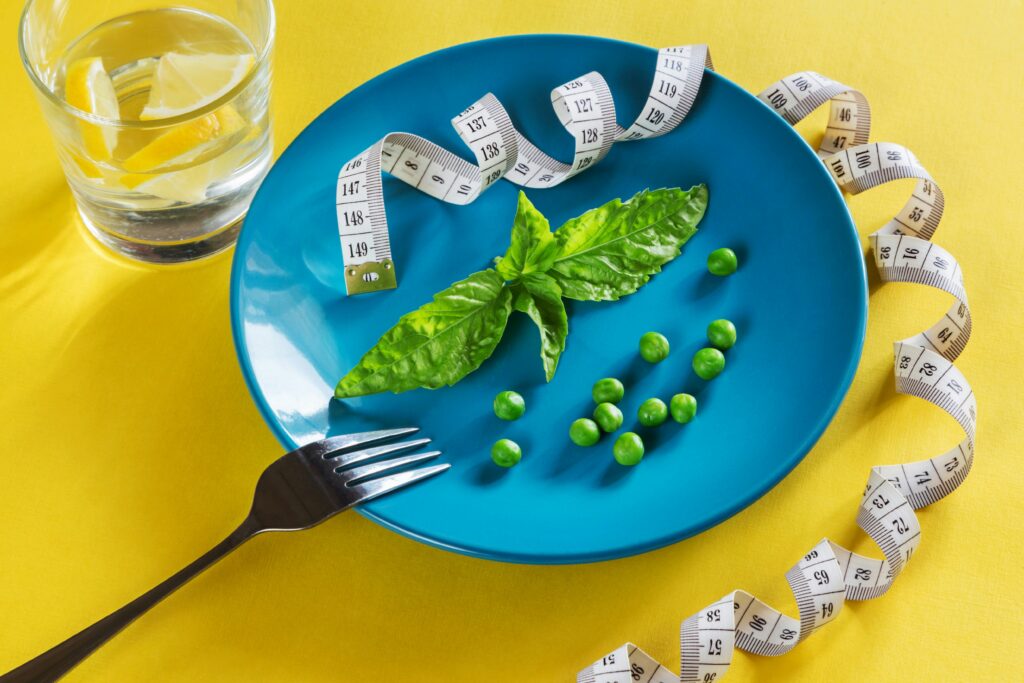
11The hiatal hernia diet what to eat and what to avoid

Foods to avoid with a hiatal hernia

Some foods increase acid production or relax the esophageal sphincter, worsening symptoms:

  • Citrus fruits and juices
  • Tomato-based sauces
  • Fried and fatty foods
  • Chocolate and caffeinated drinks
  • Spicy dishes such as chili or curry

Meal ideas for breakfast and dinner

Meal

Recommended foods

Breakfast

Oatmeal with banana, whole-grain toast with almond butter, low-fat yogurt

Dinner

Steamed fish with brown rice and vegetables, baked sweet potato with lean protein

After surgery, patients start with soft foods like soups, mashed potatoes, and yogurt before gradually resuming solids.

Lifestyle habits to complement your diet

  • Eat smaller meals more frequently
  • Avoid lying down within 2–3 hours after eating
  • Elevate the head of the bed to reduce nighttime reflux
  • Maintain a healthy weight to reduce abdominal pressure
  • Avoid smoking and alcohol

When surgery may be recommended

While diet controls most symptoms, surgery may be needed for patients with:

  • Persistent severe reflux despite dietary changes
  • Development of esophagitis or Barrett’s esophagus
  • Large hernias causing discomfort or swallowing difficulties

Minimally invasive laparoscopic surgery restores stomach position, reduces symptoms, and speeds recovery.

How Dr. Nikolas Valsamidis helps patients

Dr. Nikolas  Valsamidis is an innternationally trained bariatric surgeon who  combines dietary expertise and surgical skill to manage hiatal hernia comprehensively. He provides tailored meal plans, lifestyle recommendations, and evaluates when minimally invasive repair is necessary. Dr. Nikolas’ approach focusses on holistic healing i.e  both symptom relief and long-term digestive health, thereby helping patients heal and live comfortably without complications.

FAQs

High-fiber vegetables, lean proteins, non-acidic fruits, and whole grains reduce reflux and discomfort.

Smaller meals, gentle foods, and upright posture naturally relieve symptoms.

 Avoid citrus fruits, tomato sauces, fried foods, chocolate, caffeine, and spicy meals.

Yes, but in moderation so that reflux is least likely to occur.

Soft, gentle foods support healing by reducing strain, and allow gradual reintroduction of solid meals.

Book An Appointment